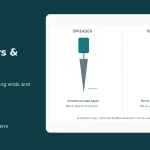
An endodontic spreader usually ends in a pointed taper; an endodontic plugger has a blunt or relatively flat terminal face. That difference helps explain their broad roles in adapting root canal filling material.
Dental Students

Build your understanding of dentistry, one concept at a time. Explore student-focused explanations that connect the foundations of dental science with practical and clinical learning.
Find labelled illustrations, comparison tables, worked examples and revision questions on dental anatomy, tooth development, oral histology, radiographic interpretation and other subjects as new guides are added. Whether you are revising for a viva, preparing for a practical or clarifying a difficult topic, use this collection alongside your textbooks and supervised teaching.
Orthodontic Pliers and Cutters: Names, Uses and Identification
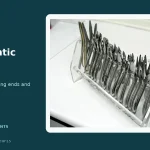
Orthodontic pliers may grip, bend or cut. Begin by identifying that action, then inspect the jaws. Similar handles do not mean that two instruments can be used for the same wire or task.
Surgical Scissors Used in Dentistry: Types and Identification

Surgical scissors are best identified by blade proportions, curvature and tip design. Learning these features is more reliable than trying to recognise an instrument from its finger rings alone.
Trigeminal Neuralgia in Dental Practice – Cause, Classification, Treatment
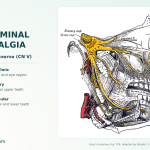
Recognise the attack pattern of trigeminal neuralgia, distinguish it from dental and neuropathic pain, and understand imaging and referral.
Scalpel Handles and Blades Used in Dentistry
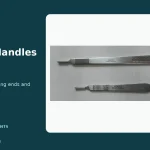
A scalpel is a cutting assembly: the handle provides control, while the blade provides the cutting edge. For identification, learn the blade outline and attachment system together rather than memorising the blade number alone.
Inherited Predisposition to Oral Cancer: Fanconi Anaemia and Telomere Disorders

Compare oral surveillance and referral considerations in Fanconi anaemia and dyskeratosis congenita or related telomere disorders.
Oral Lupus Erythematosus and Suspicious Mucosal Change

Recognise oral lupus findings, distinguish common mimics and assess persistent focal changes that warrant referral.
Palatal Lesions in Reverse Smokers – Study for Dental students
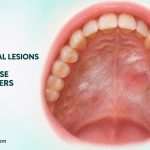
Learn how reverse smoking affects the palate, how to distinguish common heat-related findings and when focal changes warrant referral.
Dental Local Anaesthetic Syringes: Parts, Types and Identification
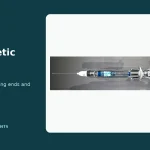
A dental local anaesthetic cartridge syringe holds a compatible anaesthetic cartridge and delivers its contents through a dental needle. Learn the reusable holder, the cartridge and the needle as three separate components.
Dental Cotton Pliers: Types, Parts and Uses
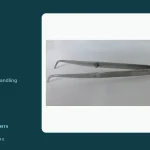
Dental cotton pliers, also called dressing pliers or dental tweezers, transfer small materials into and out of the mouth. They are simple instruments, but their tips and locking features affect how reliably they hold an item.
Dental Instruments Identification Guide: Names, Uses, and Distinguishing Features

An illustrated guide for dental students, organised by department, with common look-alikes, photograph references, and viva questions. Recognising a dental instrument means more than remembering its name. You should be able to point to the working end, describe what makes it different from a similar instrument, and connect that design with its intended use. A […]
Endodontic Hand Instruments: K-Files, H-Files, Reamers and Barbed Broaches
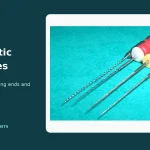
Endodontic hand instruments may share a small coloured handle and a slender working part, but their cutting surfaces and purposes differ. Begin with the working end, then check the handle markings and manufacturer’s description.
Smokeless Tobacco Keratosis and Persistent Placement-Site Lesions

Recognise smokeless tobacco keratosis, document placement-site changes and identify persistent findings that require biopsy or referral.
Dental Handpieces: High-Speed, Contra-Angle and Straight Handpieces
Dental handpieces hold and drive rotary instruments such as burs. To identify one correctly, separate three questions: what shape is the attachment, what powers it, and which rotary instrument can it safely accept?
Actinic Cheilitis and Lip Cancer Risk – Everything to know for Dental students

Recognise chronic sun-related vermilion change, distinguish lip surfaces and identify focal findings that warrant biopsy or referral.