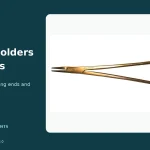
Needle holders grip a suture needle, haemostats clamp selected tissues or vessels, and tissue forceps help hold tissue. They can look similar on a tray, but their working ends are designed for different tasks.
Dental Hand-Cutting Instruments: Excavators, Hatchets, Chisels and Margin Trimmers
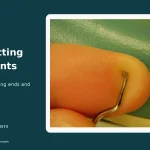
Dental hand-cutting instruments remove or refine tooth tissue through a sharp working edge. A spoon excavator, enamel hatchet, chisel and gingival margin trimmer belong to this broad group, but their blade shapes and intended tasks differ.
Luxators and Periotomes: How They Differ from Dental Elevators
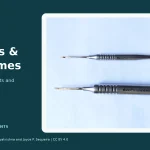
Luxators, periotomes and extraction elevators are often grouped together, but their blades and intended actions differ. Learning those differences is essential: a fine periodontal-ligament instrument should not automatically be treated like a heavy elevator.
Dental Explorers: Types and Distinguishing Features
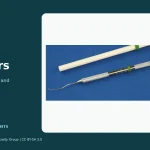
Dental explorers are fine-tipped assessment instruments. Their curved or angled working ends provide access and tactile information, but different patterns serve different purposes. The name alone does not tell you how to use an instrument safely.
Periosteal Elevators: Molt and Other Common Designs
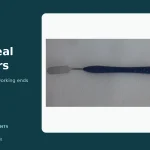
A periosteal elevator is used to reflect and retract mucoperiosteal tissue in appropriate surgical procedures. For students, the essential distinction is the tissue plane it works in: it is a flap instrument, not an extraction elevator.
Mouth Mirrors: Parts, Types and Functions
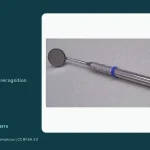
A mouth mirror provides indirect vision, reflects light and gently retracts soft tissues. Understanding its design helps students explain why one mirror gives a clear view while another produces glare or a confusing double image.
Periodontal Probes – Types, Markings and Identification
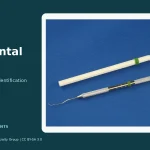
Identify common periodontal probes, understand probe markings and distinguish a Nabers furcation probe in this student revision guide.
Dental Elevators: Straight, Coupland and Cryer Instruments Explained
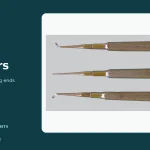
Learn to identify straight, Coupland and Cryer dental elevators by their handles, shanks and working ends, with viva questions.
Manual Scalers and Curettes: How to Identify and Differentiate Them
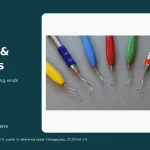
Compare sickle scalers, universal curettes and Gracey curettes by tip, cross-section and cutting edges, with student viva questions.
Dental Extraction Forceps: Types, Identification and Uses
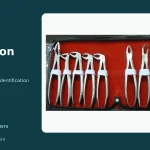
Identify common dental extraction forceps by their beaks, handles and indications, with examples and viva questions for dental students.
Rubber Dam Instruments: Clamps, Forceps, Punch and Frame
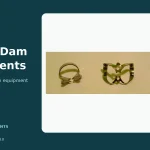
Identify the rubber dam punch, clamp forceps, clamps and frame, and learn their roles with viva questions for dental students.
Composition of Local Anesthesia & Role of Each Component in the LA Agent
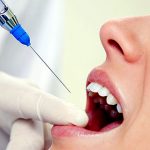
Local Anesthesia (or Local Anaesthesia) is one of the frequently used combination in the Dental clinics where several treatment procedures are preceded with the injection of Local Anesthesia for the anesthesia / numbness of that certain part of the oral cavity where the treatment is going to be done. The Local Anesthetic agent has got […]
Mouth Mirror (Dental Mirror) – Parts, Types and Functions
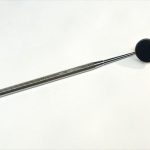
Mouth Mirror is one of the most common instruments used in the Dental clinics, a part of diagnostic instruments in Dentistry. The mouth mirror has multiple functions, and it is used during the various diagnostic and treatment procedures in the field of Dentistry. The head of the mouth mirror is usually round, with various sizes […]
Toothbrush which doesn’t need toothpaste for brushing
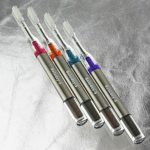
Using a toothpaste with the brush is always a necessity as one says, but a company Shiken has come with a special type of toothbrush, which would eliminate the need of usage of toothpaste on it, and the brush itself is enough for the brushing of teeth and keeping them clean of the food debris, […]
Plaque Disclosing Tablets and Solutions: What They Show and How to Use Them

Your teeth can look clean while a thin film of plaque remains near the gums or between the teeth. A plaque disclosing tablet or solution uses dye to make that film easier to see. It can help you discover the places your usual cleaning routine misses. [1] The dye is a learning aid. It does […]