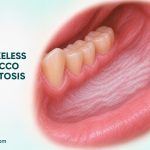
Recognise smokeless tobacco keratosis, document placement-site changes and identify persistent findings that require biopsy or referral.
Dental Handpieces: High-Speed, Contra-Angle and Straight Handpieces
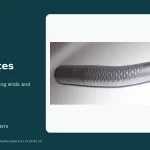
Dental handpieces hold and drive rotary instruments such as burs. To identify one correctly, separate three questions: what shape is the attachment, what powers it, and which rotary instrument can it safely accept?
How to Clean Between Your Teeth: Floss, Interdental Brushes and Water Flossers

Floss, interdental brushes and water flossers suit different needs. Learn how to match the aid to your teeth, clean gently and make daily interdental care practical.
Actinic Cheilitis and Lip Cancer Risk – Everything to know for Dental students

Recognise chronic sun-related vermilion change, distinguish lip surfaces and identify focal findings that warrant biopsy or referral.
A Child With Enamel Defects or MIH: Sensitivity, Decay and Treatment

Molar-incisor hypomineralisation, often called MIH, is a developmental enamel condition that affects at least one first permanent molar. It can also affect permanent front teeth. Affected molars may hurt when brushed or exposed to cold, and the enamel can sometimes break down after the tooth comes through.
How Does Clear Aligner Treatment Work? From First Assessment to Retainers

Clear aligners move teeth through a planned series of removable trays. The trays are only one part of the treatment: diagnosis, monitoring and retainers are equally important. If you are considering aligners, this guide explains what the dentist or orthodontist checks, what happens at each stage and what you will need to do at home.
Matrix Systems in Dentistry: Retainers, Bands, Wedges and Rings
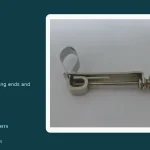
A matrix temporarily replaces a missing tooth wall while a restoration is formed. The band creates the boundary; other components hold, adapt or stabilise it. Understanding those separate roles makes matrix systems easier to identify.
Liver Disease and Dental Care: Bleeding and Medicine Precautions

Tell your dentist if you have liver disease, especially cirrhosis or a history of bleeding problems. The dentist will consider the type and severity of the condition, medicines and planned procedure. They may contact your liver team before an extraction or another procedure that can cause bleeding.
Composite Placement Instruments: Names and Identification
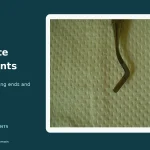
Composite placement instruments carry, adapt and shape uncured restorative material. Their working ends may look simple, but a broad spatula, a rounded plugger and a fine sculpting tip each contact the material differently.
Dental Burnishers: Types, Shapes and Uses
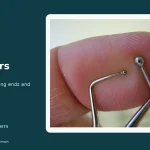
A dental burnisher usually has a smooth, rounded working surface for adapting or contouring restorative material. The shape of that surface is the best starting point for identifying it on an instrument tray.
Oral Lichenoid Lesions: Triggers, Differential and Follow-Up
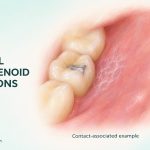
Distinguish oral lichenoid lesions from oral lichen planus and assess possible restoration or medicine triggers, biopsy and follow-up.
Amalgam Carriers, Condensers and Carvers: A Student’s Guide
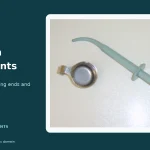
An amalgam carrier transports material, a condenser packs it, and a carver removes excess to develop the restoration’s form. Linking each instrument to that action makes this group much easier to recognise.
Bone Rongeurs, Bone Files and Surgical Curettes
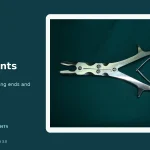
A rongeur cuts small portions of bone, a bone file refines a bony surface, and a surgical curette has a scoop-like working end for indicated debridement. Recognising how the working end acts helps separate these easily confused surgical instruments.
Needle Holders, Haemostats and Tissue Forceps: Identification Guide
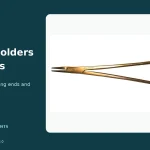
Needle holders grip a suture needle, haemostats clamp selected tissues or vessels, and tissue forceps help hold tissue. They can look similar on a tray, but their working ends are designed for different tasks.
Oral Lichen Planus: Diagnosis and Malignant Potential
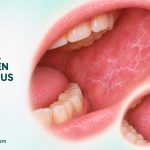
Recognise reticular and erosive oral lichen planus, understand the role of biopsy, and plan follow-up for a new or changing lesion.