A practical guide for dental students, covering the chief complaint, history of the complaint, medical and dental background, examination, investigations, and a fictional worked presentation.
A useful dental case history turns a patient’s story into reliable clinical context. It helps the clinician understand why the patient has attended, what might explain the problem, which factors affect care, and what still needs to be established.
A strong presentation then makes that information understandable to someone who has not met the patient. It preserves the important details while showing how the findings support the assessment.
Listen first, clarify systematically, examine appropriately, and keep reported information separate from observed findings and interpretation.
This guide provides a general structure for student learning. Follow your department’s case-sheet format and current local requirements. A focused urgent assessment and a comprehensive oral health assessment have different scopes; record what was actually completed.
In this guide:
- Understand the three products of an assessment
- Before the detailed interview
- A reusable structure for the full case
- Record the chief complaint in the patient’s words
- Build the history of the presenting complaint chronologically
- Take a medical history that can inform care
- Ask about previous dental care and experience
- Explore social, behavioural, and relevant family history
- Move from history to examination
- Select and record investigations for a clinical question
- Make a summary, problem list, and working assessment
- Present the case in a logical order
- A fictional worked case
- Turn that case into a concise oral presentation
- Common recording and presentation errors
- Keep the record current and protect confidentiality
- Practise with the blank worksheet
- Twenty viva questions with explained answers
Understand the three products of an assessment
Students often use “case history” to refer to the whole case sheet. It helps to distinguish three related products:
| Product | Main purpose | What belongs in it |
|---|---|---|
| Patient history | Understand the person’s complaint and relevant background | Information obtained from the patient or another identified source |
| Clinical record | Preserve an accurate account of assessment and care | History, examination, investigations, interpretation, discussions, decisions, and follow-up |
| Case presentation | Communicate the case clearly to a supervisor or colleague | A selected, organised account with relevant evidence and uncertainty |
The written record contains the detail needed for care. The oral presentation selects what the listener needs to understand the problem and your reasoning. A concise presentation should still be traceable to the fuller record.
A patient-completed questionnaire is useful, but a clinician must review and clarify it. A ticked form cannot answer every question about a medicine, reaction, or symptom.
Before the detailed interview
Introduce yourself, explain your student role and supervision, and establish how the patient would like to be addressed. Confirm identity in the approved clinical system, the date, and who is providing the information.
Ask about communication needs, language, hearing, assistance, and privacy. Use suitable interpreting support where needed and record its involvement. Address the patient directly where possible, even when someone is helping them communicate.
Explain the proposed assessment and obtain the appropriate agreement or consent. Consent remains relevant to later examinations, investigations, and treatment; a signature at registration does not describe every subsequent discussion.
Identify immediate needs early
If the patient appears acutely unwell or reports a potentially urgent problem, prioritise assessment and escalation before completing a long student interview. Airway concerns, serious systemic illness, uncontrolled bleeding, or significant injury cannot wait for a perfect case sheet.
For acute dental problems, relevant medical history, medicines already taken, allergies, a focused clinical assessment, and inspection for important mucosal findings remain necessary. Arrange fuller assessment when appropriate.
This is also why students should ask early about medication taken for the current complaint. “A few pain tablets” needs clarification of the product, amount, and timing.
A reusable structure for the full case
| Section | Questions it should answer |
|---|---|
| Identity and assessment context | Who is being assessed, when, by whom, and with what information source? |
| Chief complaint and expectations | Why has the patient attended, and what matters to them? |
| History of the presenting complaint | How did the problem begin, develop, and affect the patient? |
| Medical history, medicines, and allergies | What may influence assessment, treatment, prescribing, or support? |
| Previous dental history | What relevant care, problems, experiences, or anxieties came before? |
| Social, behavioural, and relevant family history | Which exposures, habits, circumstances, or inherited risks matter? |
| Examination and investigations | What was actually examined, measured, tested, or imaged? |
| Summary and problem list | What are the important findings and care needs? |
| Working diagnosis and alternatives | What explanations fit, and what remains uncertain? |
| Agreed plan and review | What happens next, what was discussed, and how will progress be checked? |
This is an adaptable learning structure. A prosthodontic case may require much more detail about dentures and function; a periodontal case needs a fuller periodontal assessment; an orthodontic case adds growth and occlusal information.
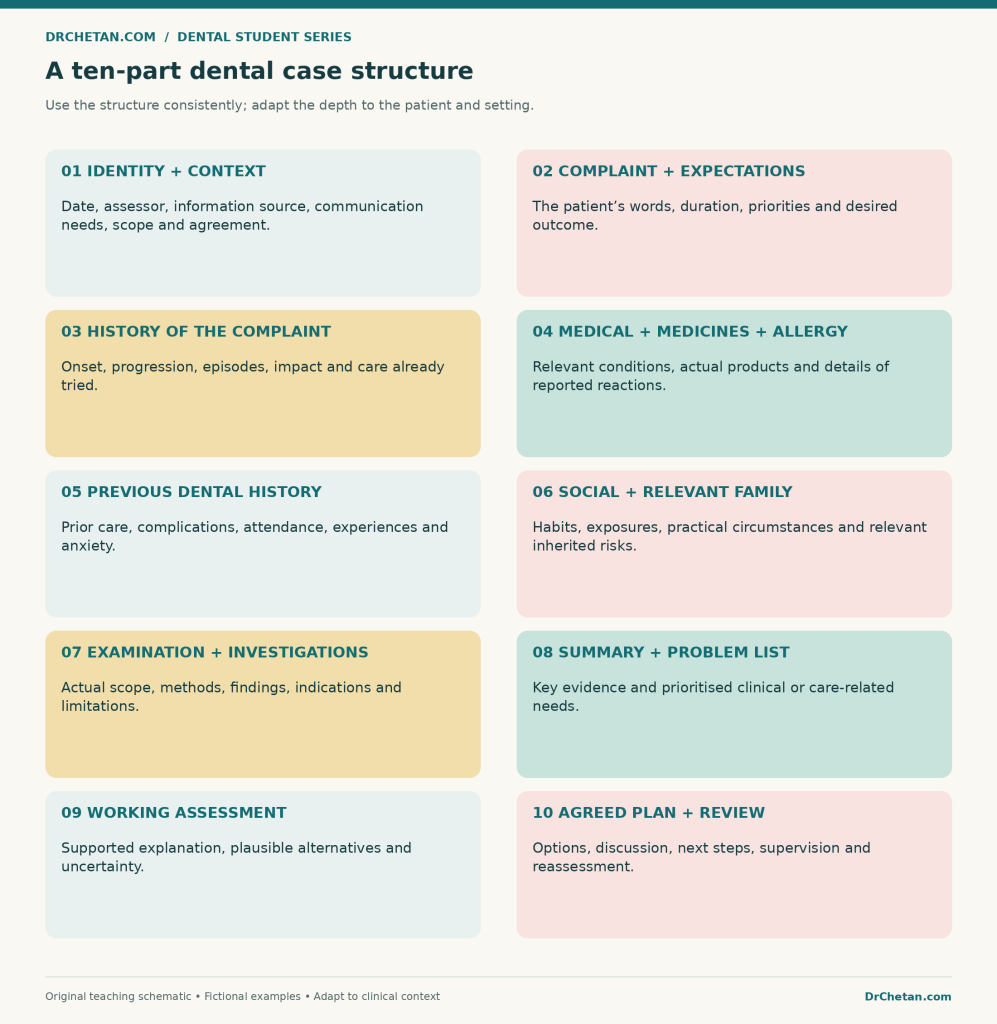
Figure 1. Use a consistent structure while adapting the depth to the patient’s needs and the clinical setting.
Record the chief complaint in the patient’s words
The chief complaint is the main reason for attendance. Begin with an open question such as, “What brought you in today?” Allow the patient to finish before narrowing the discussion.
A suitable entry might be:
“My lower left back tooth hurts when I drink cold water,” for about one week.
“Reversible pulpitis in 36” is an interpretation, so it belongs in the assessment rather than being substituted for the patient’s complaint.
If there is more than one complaint, identify each and the patient’s priority. Do not allow the first dental problem you notice to replace the concern that motivated the visit.
Ask about expectations as well: relief of pain, keeping a tooth, improving chewing, appearance, reassurance, or understanding previous advice. These priorities can affect the eventual plan.
Build the history of the presenting complaint chronologically
The history of the presenting complaint, often abbreviated HOPC or HOPI in teaching, develops the complaint into a timeline. Start with when the patient was last comfortable, then establish onset, progression, episodes, and what has already been tried.
For pain, SOCRATES can help check coverage. It is a memory aid, not a fixed order of questions.
| Element | Useful questions | Common recording error |
|---|---|---|
| Site | Where is the symptom? Can the patient point to it? | Assigning an exact tooth before localisation is established |
| Onset | When did it first occur? Was anything associated with the start? | Confusing first onset with the length of one episode |
| Character | How would the patient describe it? | Turning “sharp” or “throbbing” into a diagnosis |
| Radiation | Does it travel or seem to arise elsewhere? | Assuming the perceived location is always the source |
| Associated features | Swelling, altered taste, fever, sensory change, or functional difficulty? | Recording unasked symptoms as absent |
| Timing | Continuous or episodic? How long does each episode last? Any pattern? | Writing only “pain for one week” |
| Exacerbating and relieving factors | What brings it on or settles it? What happens after the trigger stops? | Asking only whether cold hurts |
| Severity and impact | How troublesome is it? Does it affect sleep, eating, or daily activities? | Using a pain score without the patient’s functional context |
Follow up neutrally. Instead of asking, “The pain goes away immediately, doesn’t it?”, ask, “What happens after you stop drinking?”
Record any medicine, home remedy, dental attendance, or temporary measure already used and its effect. “Improved after a tablet” does not identify the underlying disease.
Adapt the questions to the complaint
For swelling, clarify onset, location, progression, recurrence, pain, discharge, and functional or systemic symptoms. For bleeding, ask about the site, trigger, amount, persistence, previous episodes, and relevant medical or medicine history.
For a denture problem, establish the appliance’s age, symptoms, retention, stability, chewing difficulties, mucosal discomfort, previous adjustments, and the patient’s expectations.
A useful history follows the problem. A pain mnemonic alone will not cover a painless ulcer, altered sensation, or difficulty wearing a prosthesis.
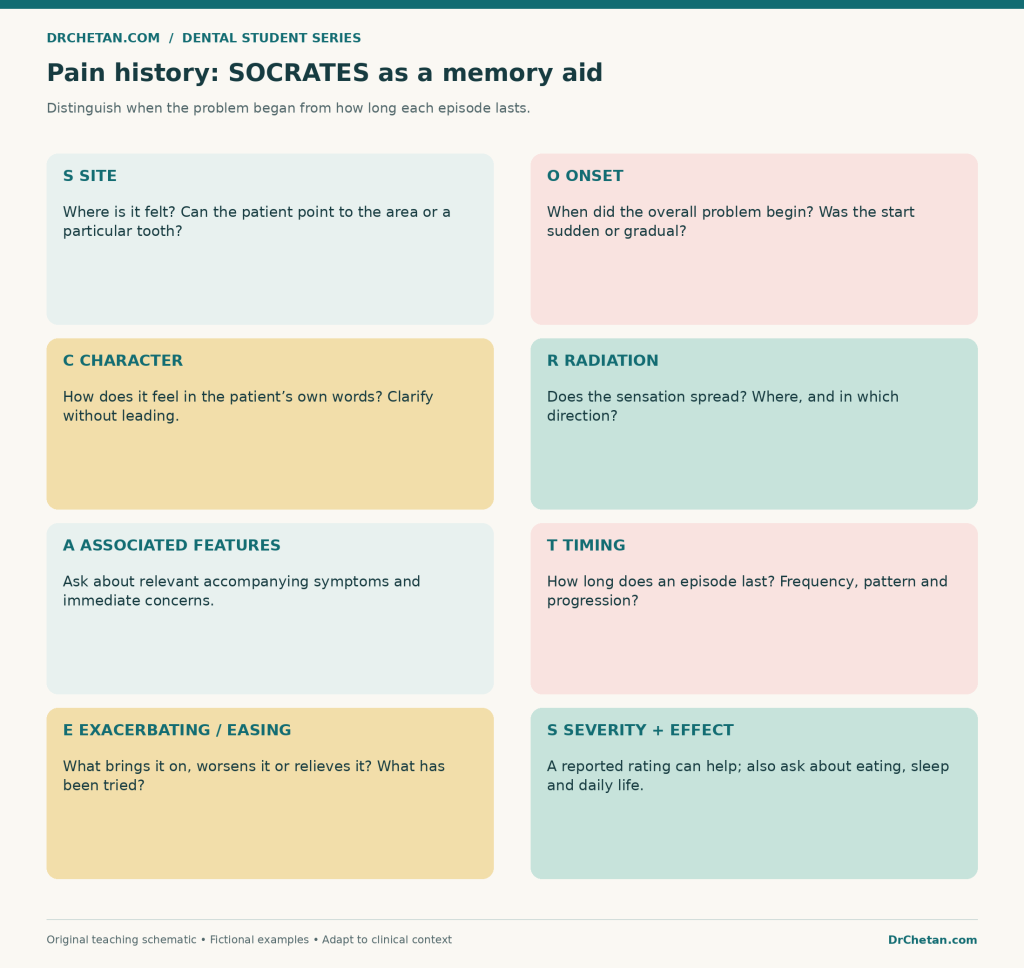
Figure 2. Establish both the overall timeline and the duration of individual episodes. Use open questions before targeted clarification.
Take a medical history that can inform care
Review current and past conditions, hospital admissions, operations, relevant investigations, and care from other clinicians. Follow positive answers with questions about the diagnosis, current status, treatment, recent changes, and practical implications.
Examples include cardiovascular or respiratory disease, diabetes, bleeding disorders, renal or liver disease, neurological conditions, immune-related illness, cancer treatment, and pregnancy where relevant. These examples do not replace an approved medical-history form or a condition-specific assessment.
Ask about previous problems during dental treatment, local anaesthesia, sedation, bleeding, or healing. Clarify what happened rather than converting every unpleasant experience into an allergy.
The patient may describe a condition without knowing its exact name. Record the information source and the uncertainty, then obtain relevant clarification through the appropriate clinical route. Avoid replacing “the patient is unsure” with an invented diagnosis.
Record medicines with enough detail
Ask about prescribed medicines, non-prescription products, supplements, herbal preparations, and recent short courses. Record the name, indication, strength, dose, route, frequency, and relevant timing as far as they can be established.
A current medication list or the actual packaging can help. Document what remains unconfirmed. Past medicines may also matter, so “not taking it today” does not always make a previous therapy irrelevant.
Two examples show why detail matters:
- Anticoagulant or antiplatelet therapy requires procedure- and patient-specific assessment. Do not tell a patient to stop treatment simply because the case sheet identifies bleeding risk. Changes require an appropriate clinical plan and, where indicated, discussion with the prescriber.
- A history of antiresorptive therapy may affect dental risk assessment. The actual drug, indication, regimen, and duration matter; a generic entry such as “bone medicine” is insufficient.
Document allergy and adverse-reaction history clearly
Ask for the suspected medicine or material, what happened, when it happened, the severity, and any subsequent assessment. Record the patient’s account without independently confirming or dismissing an allergy.
NICE recommends distinguishing an identified drug-allergy history, none known, and an inability to establish the status. A blank field is not equivalent to none known.
For example:
“Patient reports penicillin-associated itchy rash during adolescence; exact product and timing unavailable. Further details not yet confirmed.”
That is more useful than an unexplained “allergic,” and more accurate than assigning a severe reaction that was never described.
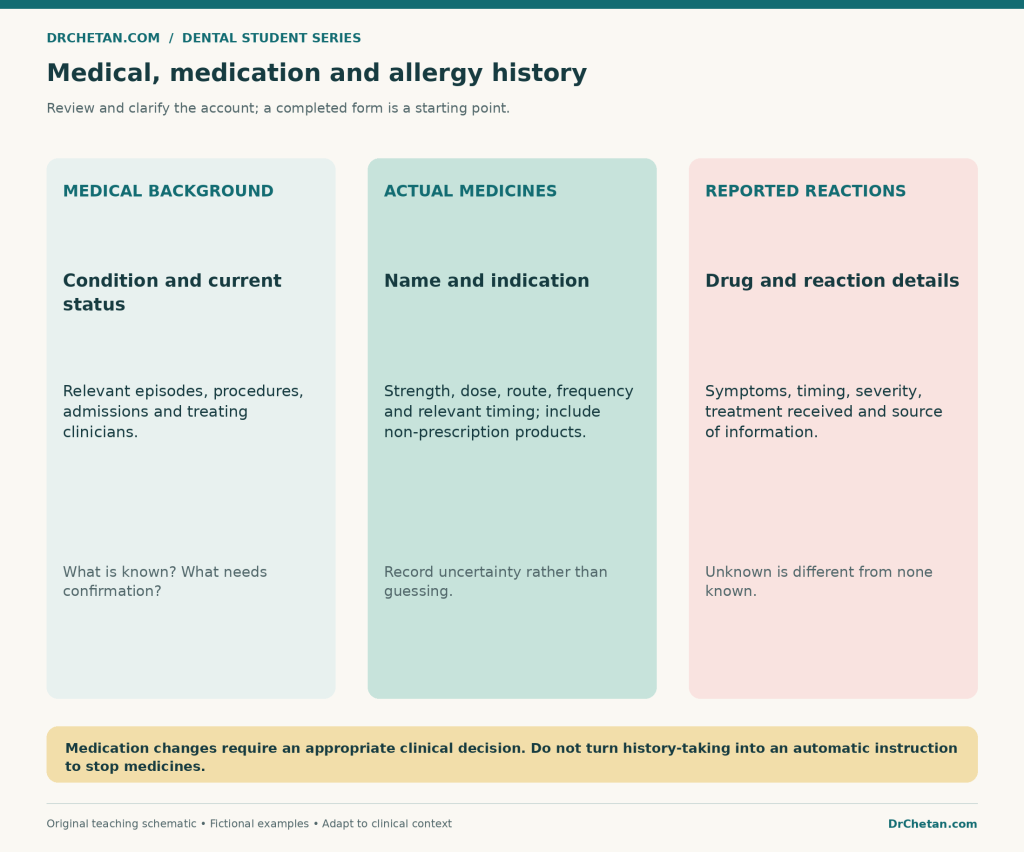
Figure 3. Record the actual information and its source. Missing detail should remain visible so that it can be clarified.
Ask about previous dental care and experience
Relevant questions include attendance pattern, previous restorations, extractions, root canal treatment, periodontal care, trauma, orthodontic treatment, implants, and dentures.
Explore the patient’s experience. Did a previous injection cause faintness, palpitations, a rash, or something else? Was a previous extraction followed by prolonged bleeding? What helped during an anxious appointment?
Ask what the patient found difficult and what support they would prefer. Record practical information that can improve care rather than a judgemental label.
“Patient reports fear of injections and prefers explanations before each step” is more useful than “uncooperative patient.”
For an existing restoration or prosthesis, establish when it was provided, the reason for treatment, subsequent symptoms, and any repairs or adjustments. Timing can be informative without proving causation.
Explore social, behavioural, and relevant family history
Discuss habits and circumstances respectfully. Relevant areas can include oral hygiene, interdental cleaning, diet and frequency of sugar or acid exposures, tobacco, smokeless products, areca-nut products, alcohol, and other exposures.
Ask about the actual product and pattern rather than recording a vague “habit present.” A patient may not regard a smokeless product as tobacco or may use an areca-containing product without tobacco.
Consider factors affecting care: work shifts, transport, finances, caregiving, disability, assistance with cleaning, anxiety, and the ability to attend review. Record relevant needs without assumptions about motivation or reliability.
Family history is guided by the clinical question, such as a relevant inherited condition or a pattern that merits further enquiry. It should not become a list of unsupported diagnoses for relatives.
The purpose is to understand risks, preferences, and support needs. SDCEP includes social, previous dental, medical, and anxiety information within patient-history assessment.
Move from history to examination
Before examining, summarise the main history back to the patient: “Have I understood that correctly?” This gives them a chance to correct the chronology or add an overlooked concern.
Then undertake the examination appropriate to the situation. A comprehensive oral assessment includes extraoral assessment and intraoral review of mucosal tissues, teeth, periodontal tissues, and prostheses where present.
| Area | Examples of information to record |
|---|---|
| General assessment | Relevant observations and measured vital signs when indicated, with actual values, units, and context |
| Extraoral examination | Relevant head and neck findings, swelling, symmetry, nodes, movement, or functional concerns |
| Intraoral soft tissues | Sites examined, findings, and any lesion requiring description or further assessment |
| Teeth and restorations | Tooth identity, surfaces, caries or defects, restorative findings, and tooth-specific tests |
| Periodontal tissues | Screening or detailed charting as appropriate, bleeding, probing findings, recession, and mobility |
| Occlusion and function | Relevant contacts, wear, movement, biting symptoms, and functional findings |
| Appliances or prostheses | Condition, fit, stability, tissue relationship, and the patient’s functional concerns |
This table is an outline, not a list of examinations to tick as normal automatically. Record the scope: a focused examination does not establish a complete full-mouth assessment.
Keep three types of information distinct
Reported: “The patient says the tooth hurts with cold.”
Observed or tested: “Cold testing reproduced the familiar symptom; the response settled promptly. The comparison teeth responded as expected.”
Interpreted: “The combined findings support a working diagnosis of reversible pulpitis.”
These statements have different evidential roles. Cold testing is a clinical test with a patient-reported sensory response; describing it under test findings does not turn it into a direct measurement of pulpal blood flow.
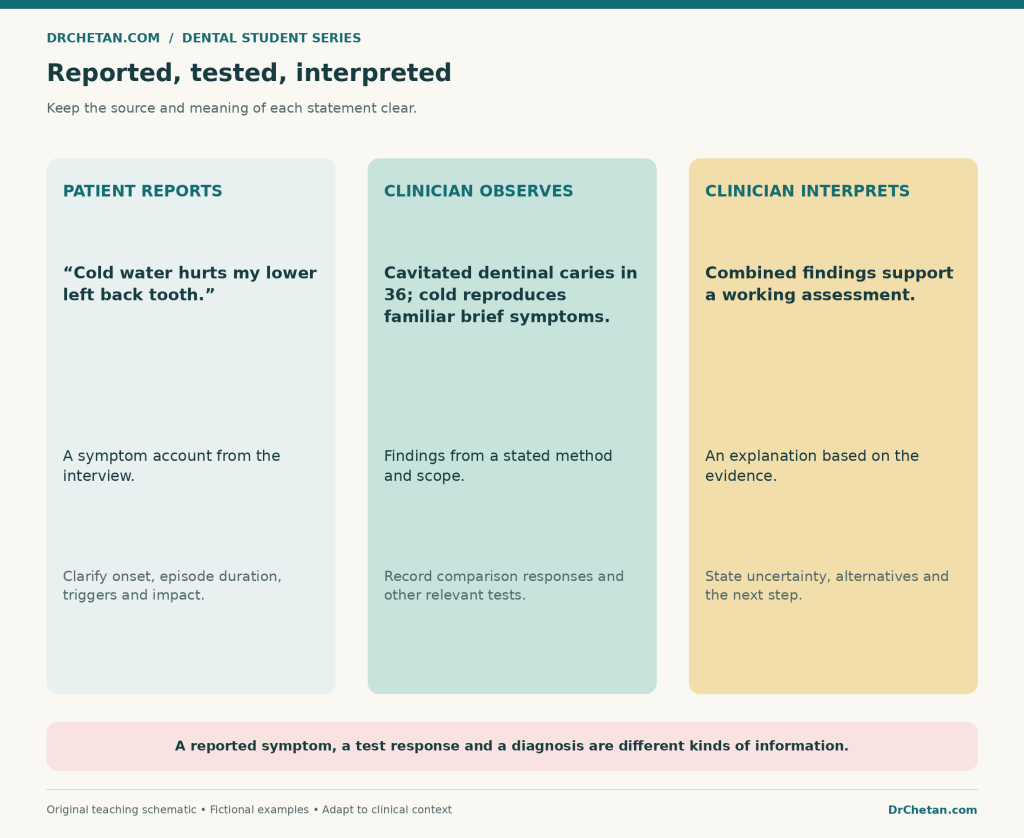
Figure 4. Preserve the distinction between the source information and the conclusion drawn from it.
Select and record investigations for a clinical question
An investigation should have a purpose. Record what question it addresses, what was done, the result, any limitation, and its effect on the assessment.
For imaging, review available relevant images and assess whether new imaging is justified. A routine student case does not automatically require a standard set of exposures. Current ADA/AAOMR recommendations emphasise selection after clinical assessment for the individual patient’s needs.
Document radiographic interpretation rather than writing only “IOPA taken.” For sensibility testing, identify the tooth, method, comparison findings, and relevant response characteristics.
Other investigations or referrals depend on the presentation. Do not list laboratory tests, biopsy, or advanced imaging as routine extras simply to make a case sheet appear comprehensive.
Make a summary, problem list, and working assessment
A clinical summary answers: who is the patient, what is the main problem, which relevant background factors matter, what key findings support the assessment, and what needs to happen next?
A problem list may include the presenting disease, other identified care needs, an unclarified medicine or allergy history, anxiety, and practical barriers to care. Prioritise the problems rather than listing every detail as equally urgent.
A working or provisional diagnosis is the current interpretation of the evidence. A differential diagnosis contains reasonable alternatives and the findings that would help distinguish them.
For endodontic presentations, separate pulpal and apical assessment. Neither a pain adjective nor a radiographic appearance alone supplies a complete diagnosis.
Be clear about what remains uncertain. A useful presentation can say, “The findings favour this explanation, but this specific question needs clarification.” Invented certainty makes the handover less useful.
Present the case in a logical order
A short oral presentation can follow six moves:
- Identify the patient sufficiently for the setting and state the reason for attendance.
- Give the complaint’s chronology and discriminating features.
- Highlight relevant medical, medication, allergy, dental, and social context.
- State the key examination and investigation findings.
- Give the working assessment, supporting reasoning, and meaningful alternatives or uncertainty.
- State the proposed next step, patient priorities, supervision needs, and review.
Keep the detailed notes available. If asked about another part of the assessment, return to the record rather than improvising a normal finding.
Avoid saying “nothing significant” when there is a relevant reported drug reaction, an unconfirmed medicine, or a limitation in the examination.
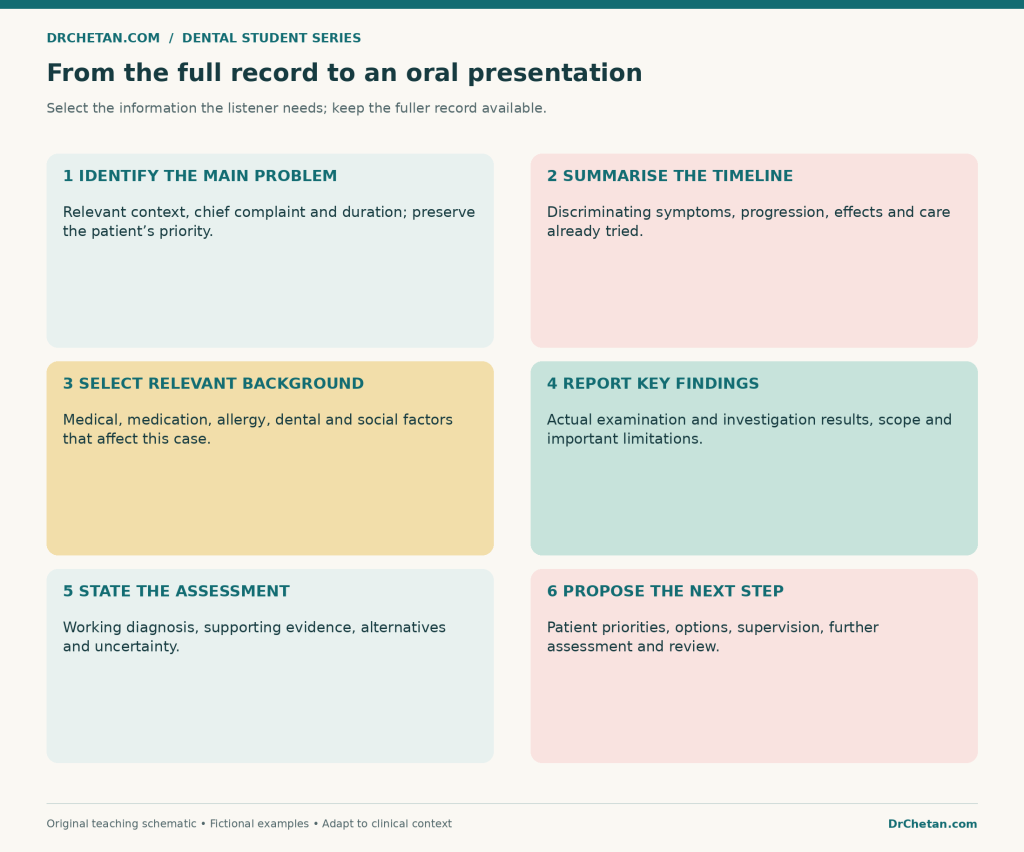
Figure 5. Select the information that helps the listener understand the case. Keep the complete supporting record available.
A fictional worked case
All details in this example are invented for teaching. It illustrates a focused assessment and presentation; it is not a prescription for a real patient or a substitute for a complete clinical record.
Identity, context, and complaint
Case A is a 33-year-old adult attending for a focused assessment of lower-left posterior tooth discomfort. Identity is verified within the fictional clinical record. The patient gives the history directly and agrees to the proposed assessment.
Chief complaint: “My lower left back tooth hurts when I drink cold water,” for one week.
The patient wants relief and would prefer to keep the tooth.
History of the complaint
The discomfort began about one week ago without remembered trauma. Episodes are triggered by cold drinks and sometimes sweet foods, occur only with those exposures, and settle within seconds after the trigger stops.
The patient reports no spontaneous episodes, waking at night, swelling, fever, difficulty opening the mouth, or swallowing difficulty when specifically asked. The symptom is rated about 3/10 and has led to avoidance of cold drinks; eating and sleep are otherwise unaffected.
No medicine or home remedy has been used for this complaint. The patient has not previously sought assessment for this episode.
Relevant background
The patient reports no diagnosed chronic medical condition and no regular prescribed, non-prescription, or herbal medicines after specific enquiry.
A penicillin-associated itchy rash during adolescence is reported. The exact product, timing relative to doses, and any formal assessment are unavailable. This is recorded as a reported reaction requiring clarification, rather than “no known allergies” or a confirmed severe reaction.
The last dental visit was about 18 months ago for a restoration, reportedly without an anaesthetic or healing problem. The patient brushes once daily, reports two sweetened tea drinks most days and an afternoon snack, and reports no tobacco, areca-nut, or alcohol use after separate enquiry.
The patient is anxious about injections and works shifts that can make appointments difficult. They prefer an explanation before each step.
Focused examination and investigations
The fictional examination records no facial swelling, comfortable mouth opening, and no suspicious finding on the soft-tissue inspection performed at this visit.
Tooth 36 has a cavitated occlusal lesion involving dentin. Cold testing reproduces the familiar discomfort and the response settles promptly. Comparison teeth 35 and 46 respond as expected. There is no tenderness on percussion or apical palpation.
Probing around 36 records depths of 2–3 mm without an isolated deep pocket; mobility is not increased. These local findings do not represent a complete periodontal chart for the whole mouth.
An available, clinically justified IOPA of 36 is reviewed. It includes the tooth and apical region and shows no definite focal periapical radiolucency. The image is interpreted with the clinical findings rather than being used as a direct pulp-vitality test.
Working assessment and proposed plan
The combined history and findings support dentinal caries in 36 with a working diagnosis of reversible pulpitis and normal apical tissues in traditional terminology.
Other causes of a brief thermal symptom, such as a crack-related problem or exposed dentin, would need reconsideration if further findings or the subsequent course did not fit the working diagnosis. There is no claim that the exact histological state is known.
The plan is supervisor review, clarification and recording of the drug-reaction history, discussion of appropriate cause-related dental care and restoration, preventive advice, support for anxiety, and an agreed review arrangement. Persisting or changing symptoms would prompt reassessment.
This plan remains subject to actual clinical assessment, consent, and the findings during care. It does not select an operative technique or a medication regimen.
Turn that case into a concise oral presentation
Here is a shorter version for a supervisor:
“Case A is a 33-year-old adult with one week of cold- and sweet-triggered discomfort in the lower-left molar region, settling promptly after the trigger. There is no reported spontaneous or night pain, swelling, or systemic symptom. The patient reports a penicillin-associated rash in adolescence, with details still to clarify, and is anxious about injections. Tooth 36 has an occlusal dentinal cavity. Cold reproduces the familiar brief symptom; comparison teeth respond appropriately, and percussion and apical palpation are unremarkable. The reviewed IOPA shows no definite focal apical change. The working assessment is caries in 36 with reversible pulpitis and normal apical tissues. I propose supervisor review, cause-related care, clarification of the reaction history, and an agreed preventive and follow-up plan.”
The shorter presentation omits some routine detail but keeps the positive findings, relevant negatives, reaction history, patient concern, working assessment, and next steps. The fuller record remains available.
Common recording and presentation errors
| Error | Why it causes difficulty | Better approach |
|---|---|---|
| Writing a diagnosis as the chief complaint | Replaces the patient’s reason for attendance with an interpretation | Preserve the complaint and place the diagnosis in assessment |
| Recording only total duration | Misses how individual episodes behave | State onset, progression, triggers, and episode duration |
| “Medical history clear” without clarification | Hides what was actually asked and understood | Record relevant history, medicines, reaction details, and uncertainty |
| Treating a blank allergy field as negative | Converts missing information into a clinical assertion | Establish and record the status explicitly |
| Copying “within normal limits” into unexamined sections | Creates findings that were never obtained | State the examination scope and what remains unassessed |
| Listing every possible diagnosis | Obscures the plausible alternatives and reasoning | Prioritise alternatives and explain how to distinguish them |
| Reading the entire case sheet aloud | Makes the main clinical problem hard to follow | Use a structured summary and retain the detail for questions |
| Omitting the patient’s priorities | Produces a plan disconnected from the person’s needs | Include expectations, anxiety, and relevant practical circumstances |
| Recording consent as only a signature | Loses the information and discussion supporting the decision | Document the relevant discussion and agreed next steps |
| Using a template without reviewing it | Carries forward inaccurate or contradictory statements | Check and finalise the actual record |
GDC guidance emphasises accurate records, review of templated notes, and recording what actually occurred. It is cited here for general professional principles; apply the requirements relevant to your jurisdiction and institution.
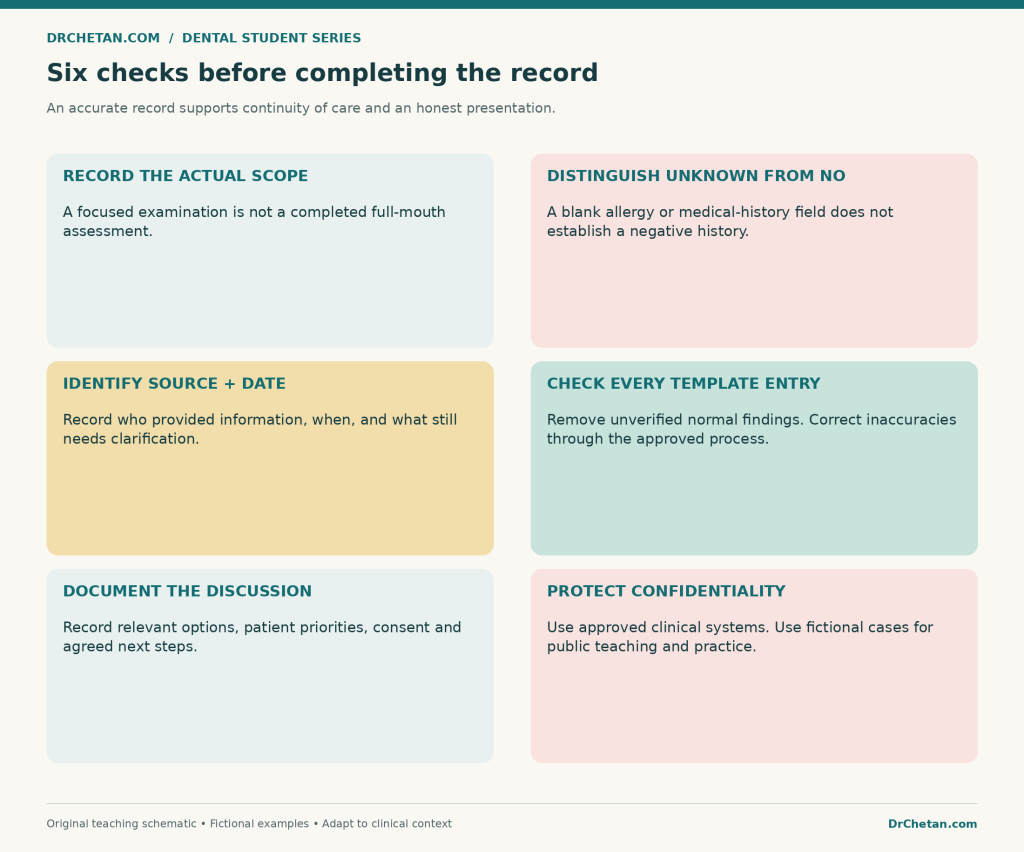
Figure 6. Completeness means a truthful, useful record, including its limits. It does not mean that every blank must be filled with a normal finding.
Keep the record current and protect confidentiality
Record the date, clinician or student identity, relevant supervision, and the source of information. Update relevant history during subsequent care and keep changes traceable according to the clinical system’s policy.
If a detail is unknown, label it as unknown and identify how it will be clarified. If an assessment was deferred, record that fact and the plan rather than silently carrying the section forward.
For teaching presentations, use the minimum necessary identifying detail and follow the applicable consent and privacy arrangements. Removing a name alone may not make a real case anonymous if photographs, dates, location, or other details identify the person.
The blog’s worked case is fictional. Keep actual patient records within the approved clinical record system; use fictional information when practising with the accompanying downloadable worksheet. Professional guidance includes confidentiality and appropriate use of information and images for teaching.
Practise with the blank worksheet
The accompanying worksheet follows the same structure: complaint, chronology, relevant background, findings, assessment, and plan. Use it to practise collecting the information, then produce a short presentation without looking at every line.
A useful exercise is to have a colleague ask three questions afterwards:
- Which finding most strongly supports your working assessment?
- What important uncertainty remains?
- What change in the story or examination would alter your plan?
If you can answer those from the record, you are moving beyond memorising headings towards clinical reasoning.
Twenty viva questions with explained answers
- What is the purpose of a dental case history? To understand the complaint and relevant context so that assessment and care are informed by reliable information.
- Is the chief complaint the diagnosis? No. It records the patient’s reason for attendance; diagnosis is a later interpretation.
- Why start with an open question? It allows the patient to describe priorities before targeted clarification.
- What is the difference between onset and episode duration? Onset concerns when the overall problem began; episode duration concerns how long an individual occurrence lasts.
- Does SOCRATES cover every dental complaint? No. It is a pain-history memory aid and must be adapted to the presentation.
- Why ask what medicine the patient has already taken? The product, amount, timing, and effect can influence assessment and immediate care.
- Is a completed medical questionnaire sufficient by itself? No. Relevant answers require clinical review and clarification.
- What medicine details are useful? The name, indication, strength, dose, route, frequency, relevant timing, and any uncertainty.
- Does a reported medicine reaction prove a particular allergy mechanism? No. Record the account and relevant details without inventing a mechanism or dismissing the history.
- Does a blank allergy field mean none known? No. Missing information must be distinguished from an established negative history.
- Why ask about dental anxiety? It can affect communication, examination, and the support needed for care.
- What belongs in social history? Relevant habits, exposures, circumstances, and practical needs, explored without assumptions.
- Are reported symptoms and examination findings interchangeable? No. Record their source and method clearly.
- Can a focused examination be recorded as a complete assessment? No. Document the scope actually completed.
- Why should an investigation have a question? Its justification and usefulness depend on the information needed for that patient.
- What is a problem list? A prioritised account of identified clinical and care-related needs.
- What makes a differential diagnosis useful? Plausible alternatives and the evidence that would help distinguish them.
- What should an oral presentation preserve? The main problem, discriminating history, relevant background, key findings, assessment, uncertainty, and next step.
- What is wrong with copying normal findings into a template? It creates an inaccurate record of an examination that may not have occurred.
- Why are consent and confidentiality relevant to a student case? Patients should understand the proposed assessment and use of their information, with appropriate protection throughout care and teaching.

Leave a Reply