If you are interested in knowing about Bruxism and its causes, symptoms and treatments; then this article will help you a lot. First, it is important to know what exactly is meant by Bruxism. The term “Bruxism” refers to a habit in which people grind, gnash or clench their teeth consciously or unconsciously. This habit is found both in adults and children. The main cause of bruxism or teeth grinding is psychological stress. A large number of people suffer from different kinds of stress now days. Many people do not even know that they suffer from this problem because they grind their teeth while sleeping. Such people may get to know about their problem from those who sleep near them.
There are a large number of symptoms associated with Bruxism. Though some people think that teeth grinding is not such a big problem, it may result in serious problems like tooth decay, broken dentures etc. The most common symptoms of Bruxism is the appearance of fracture in teeth. Pain in the mouth especially around jaws may also occur due to teeth grinding. Sounds due to clenching or grinding teeth while sleeping is a common symptom of Bruxism. Frequent headaches, damage to the gums and increased sensitivity of the teeth to hot and cold are some other symptoms of this problem.
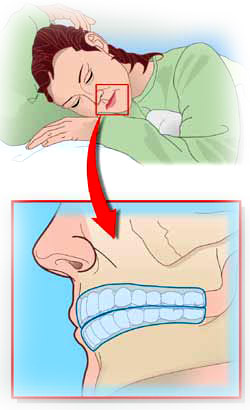
In order to treat the problem of Bruxism, dentists advise people to wear night mask before sleeping. A night mask is made from plastic or acrylic material. It only helps in protecting the teeth from the decay caused due to teeth grinding. People should wear a night mask regularly before they sleep. Apart from this, reducing stress is also very important for the treatment of Bruxism. Regular exercises are recommended for reducing the stress. In order to relieve stress, people should do those activities which they love. Many people are also benefited by taking a bath with warm water before sleeping. It relaxes the jaw muscles. Apart from this, one should stay conscious of this problem and try to keep his lower and upper jaw separate.

Leave a Reply